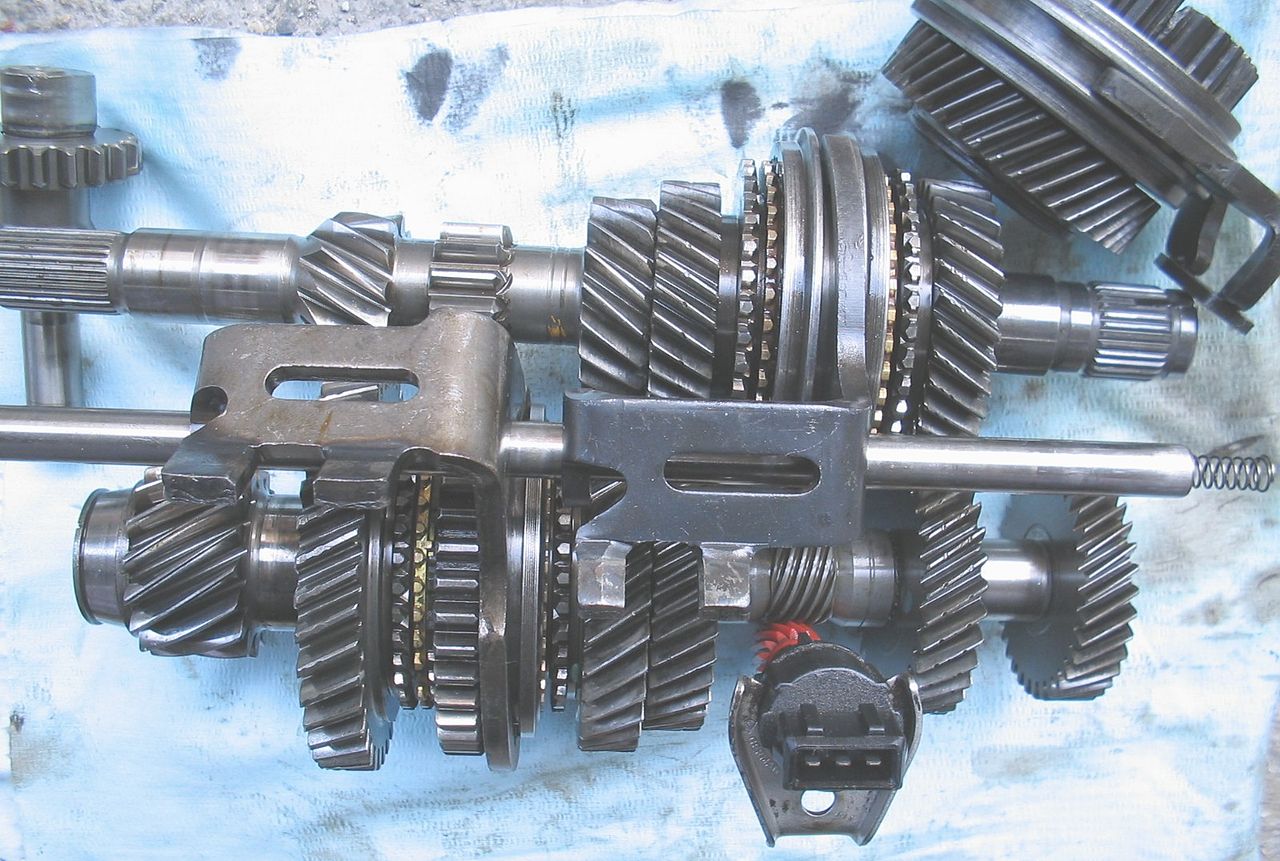
The transmission system is one of the most critical assemblies in any vehicle because it transfers engine power to the wheels efficiently and safely. Without a properly functioning transmission, even a powerful engine cannot deliver smooth acceleration or maintain optimal fuel economy.
Understanding transmission components helps drivers recognize early warning signs of wear, improve vehicle performance, and avoid expensive repairs.
What Is A Vehicle Transmission System
A transmission system regulates the amount of engine power delivered to the wheels by adjusting gear ratios according to speed and driving conditions. It ensures smooth acceleration, better fuel efficiency, and controlled vehicle movement.
The system works together with the engine, drivetrain, and differential to maintain balanced performance across different terrains and speeds.
Main Transmission Components
Gear Sets
Gear sets are the foundation of the transmission system. They adjust torque and speed based on driving requirements.
Key functions include:
- Controlling vehicle speed variations
- Increasing torque during acceleration
- Supporting fuel efficient cruising
- Ensuring smooth power delivery
Different gear combinations allow vehicles to operate efficiently across low and high speed conditions.
Clutch Assembly
The clutch connects and disconnects engine power from the transmission in manual vehicles. It allows smooth gear shifting without damaging internal components.
Functions of the clutch assembly include:
- Engaging engine power gradually
- Supporting smooth gear transitions
- Preventing drivetrain shock
- Improving driving control during start and stop movement
A worn clutch can reduce acceleration efficiency and increase fuel consumption.
Torque Converter
The torque converter replaces the clutch in automatic transmissions. It transfers engine power using transmission fluid pressure.
Important roles include:
- Enabling smooth automatic gear shifting
- Multiplying engine torque during acceleration
- Reducing vibration between engine and transmission
- Supporting comfortable driving experience
Proper maintenance of transmission fluid ensures effective torque converter performance.
Transmission Fluid
Transmission fluid lubricates internal moving components and prevents overheating inside the gearbox.
Its performance benefits include:
- Reducing friction between gears
- Preventing overheating
- Ensuring smooth gear engagement
- Protecting seals and internal components
Low or contaminated fluid can significantly reduce transmission efficiency.
Synchronizers
Synchronizers are found in manual transmissions and help gears engage smoothly by matching rotational speeds before shifting.
Their main functions include:
- Preventing gear grinding
- Supporting smoother gear transitions
- Reducing internal wear
- Improving driver comfort during shifting
Damaged synchronizers often cause difficulty while shifting gears.
Transmission Shafts
Transmission shafts transfer rotational energy from the engine to the wheels through the gearbox.
They help:
- Deliver torque efficiently
- Maintain alignment of internal gears
- Support stable drivetrain performance
- Improve mechanical reliability
Proper lubrication ensures long service life of transmission shafts.
Types Of Vehicle Transmission Systems
Different vehicles use different transmission systems depending on design and performance requirements.
Common types include:
- Manual transmission
- Automatic transmission
- Continuously variable transmission
- Automated manual transmission
- Dual clutch transmission
Each type offers unique advantages in terms of driving comfort, fuel efficiency, and maintenance requirements.
How Transmission Components Affect Vehicle Performance
Transmission components directly influence how smoothly a vehicle accelerates and maintains speed.
Key performance improvements include:
- Better fuel efficiency through optimized gear ratios
- Smooth acceleration without jerks
- Reduced engine strain at high speeds
- Improved towing capability
- Enhanced driving comfort
A properly functioning transmission system ensures consistent power delivery under all driving conditions.
Warning Signs Of Transmission Component Problems
Early detection of transmission issues prevents major repairs and unexpected breakdowns.
Common warning signs include:
- Delayed gear shifting
- Unusual grinding noises
- Transmission fluid leakage
- Burning smell from gearbox area
- Vehicle slipping out of gear
- Reduced acceleration response
Immediate inspection helps avoid costly transmission damage.
Maintenance Tips For Transmission Components
Routine maintenance improves reliability and extends the life of transmission parts.
Important maintenance practices include:
- Checking transmission fluid levels regularly
- Replacing fluid as recommended by manufacturer
- Avoiding aggressive gear shifting habits
- Inspecting clutch performance periodically
- Addressing unusual noises immediately
Consistent servicing ensures smoother vehicle operation over time.
Frequently Asked Questions
What happens if transmission fluid is not replaced regularly
Old transmission fluid loses lubrication ability and may cause overheating, gear slipping, and internal component wear.
Can transmission problems affect fuel economy
Yes. Faulty transmission components force the engine to work harder, which increases fuel consumption.
Is manual transmission more durable than automatic transmission
Manual transmissions are generally simpler in design and may last longer with proper maintenance, but durability depends largely on driving habits and servicing.
How long do transmission components typically last
Most transmission components can last over 150000 kilometers when maintained properly and serviced at recommended intervals.
Can driving with low transmission fluid damage the vehicle
Yes. Low transmission fluid reduces lubrication and cooling, which can lead to serious internal damage.
Why does a vehicle jerk during gear shifting
Jerking during shifting may indicate worn clutch components, low transmission fluid, or damaged synchronizers.
Should transmission systems be inspected during routine servicing
Yes. Regular inspection helps detect early wear and prevents expensive gearbox repairs later.