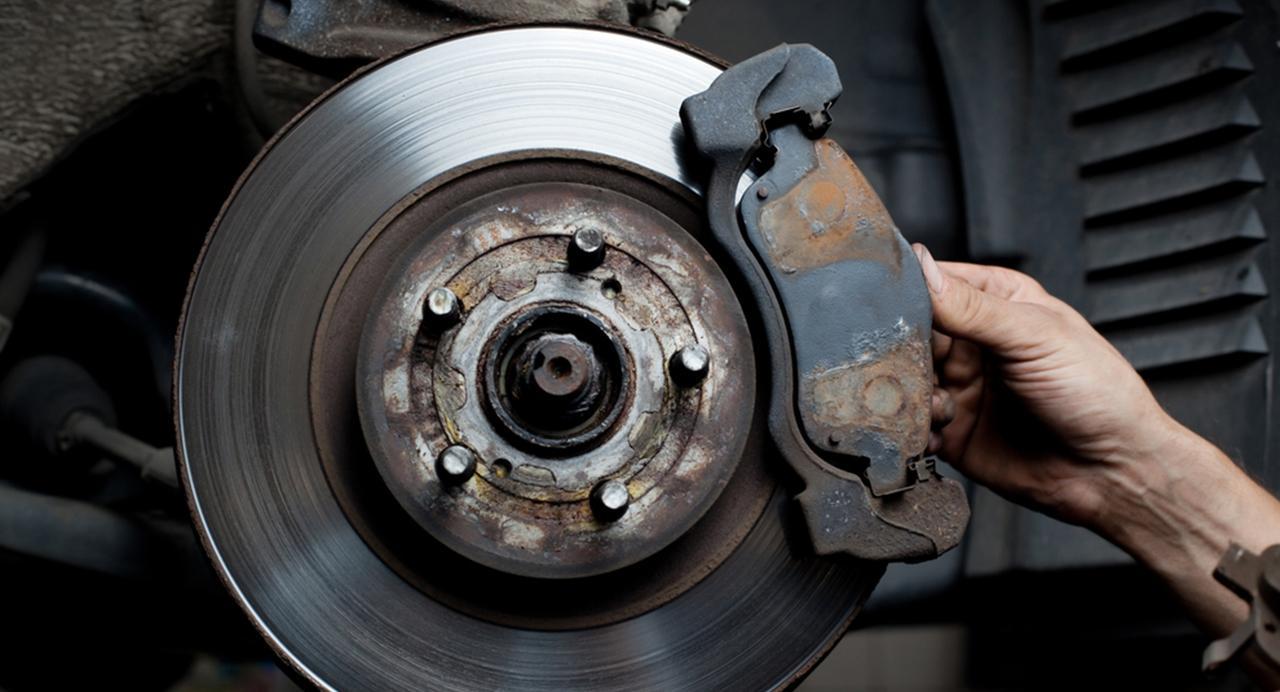
Car brakes are one of the most critical safety systems in any vehicle. Even minor brake issues can quickly become dangerous if ignored. Understanding the causes, recognizing early warning signs, and applying the right solutions helps drivers maintain safe control and prevent costly repairs.
This guide explains common brake problems, their symptoms, and practical solutions every driver should know.
Why Brake System Maintenance Is Essential
A properly functioning brake system ensures safe stopping distance and vehicle stability in all driving conditions.
Regular brake inspection helps
- Prevent accidents caused by delayed stopping
- Maintain control during emergency braking
- Protect expensive components like rotors and calipers
- Extend the lifespan of braking parts
- Improve overall driving safety
Ignoring early symptoms often leads to more complex and expensive repairs.
Worn Brake Pads
Brake pads naturally wear down over time due to constant friction.
Symptoms
Common warning signs include
- Squeaking or squealing noise during braking
- Longer stopping distance
- Brake warning light activation
- Thin brake pad thickness during inspection
Causes
Typical reasons for pad wear include
- Normal driving usage
- Frequent stop and go traffic
- Aggressive braking habits
- Low quality brake components
Solutions
Recommended actions include
- Replace worn brake pads promptly
- Use manufacturer approved replacement parts
- Inspect pads during routine servicing
- Avoid harsh braking when possible
Replacing pads early prevents rotor damage.
Warped Brake Rotors
Brake rotors can become uneven due to excessive heat or prolonged wear.
Symptoms
Drivers may notice
- Steering wheel vibration during braking
- Pulsation in the brake pedal
- Reduced braking smoothness
- Uneven stopping performance
Causes
Rotor warping may result from
- Repeated hard braking
- Overheating during downhill driving
- Poor installation practices
- Low quality rotor materials
Solutions
Effective solutions include
- Resurfacing slightly warped rotors
- Replacing severely damaged rotors
- Maintaining correct braking techniques
- Checking rotor condition regularly
Timely rotor service restores braking stability.
Low Brake Fluid Levels
Brake fluid transfers force from the pedal to braking components.
Symptoms
Common indicators include
- Soft or spongy brake pedal feel
- Increased stopping distance
- Brake warning light on dashboard
- Reduced braking response
Causes
Low fluid levels may occur due to
- Fluid leakage in brake lines
- Worn brake pads
- Air entering the braking system
- Lack of routine maintenance
Solutions
Drivers should
- Check fluid levels regularly
- Refill with recommended brake fluid type
- Inspect lines for leakage
- Bleed the brake system if air is present
Maintaining correct fluid levels ensures reliable braking performance.
Brake Fluid Contamination
Brake fluid absorbs moisture over time, reducing braking efficiency.
Symptoms
Typical warning signs include
- Spongy pedal response
- Reduced braking power
- Corrosion inside brake components
- Inconsistent braking performance
Causes
Contamination usually occurs because of
- Moisture absorption over time
- Delayed fluid replacement
- Exposure to humid conditions
- Damaged reservoir seals
Solutions
Corrective actions include
- Flushing old brake fluid
- Replacing with fresh fluid
- Following recommended service intervals
- Inspecting reservoir seals regularly
Clean brake fluid improves braking reliability.
Brake Caliper Problems
Brake calipers apply pressure to brake pads during braking.
Symptoms
Drivers may experience
- Vehicle pulling to one side while braking
- Uneven brake pad wear
- Reduced braking efficiency
- Burning smell near wheels
Causes
Common reasons include
- Stuck caliper pistons
- Corrosion inside caliper housing
- Lack of lubrication
- Damaged caliper seals
Solutions
Necessary steps include
- Cleaning and lubricating caliper components
- Replacing damaged calipers
- Inspecting seals regularly
- Servicing brake systems on schedule
Proper caliper operation ensures balanced braking.
Brake Line Leaks
Brake lines carry hydraulic pressure throughout the braking system.
Symptoms
Warning signs include
- Brake fluid puddles under vehicle
- Sudden loss of braking pressure
- Soft brake pedal feel
- Dashboard brake warning light
Causes
Brake line leaks may result from
- Corrosion in metal lines
- Physical damage from road debris
- Aging rubber hoses
- Poor installation practices
Solutions
Drivers should
- Replace damaged brake lines immediately
- Inspect hoses during routine servicing
- Avoid driving until repairs are completed
- Maintain regular brake inspections
Prompt repair prevents brake failure risk.
Anti Lock Braking System Malfunction
Modern vehicles include anti lock braking systems to improve control during sudden stops.
Symptoms
Typical indicators include
- ABS warning light activation
- Reduced braking stability on slippery roads
- Unusual brake pedal vibration
- Inconsistent emergency braking response
Causes
Possible causes include
- Faulty wheel speed sensors
- Electrical connection issues
- Damaged control modules
- Contaminated brake fluid
Solutions
Recommended steps include
- Diagnosing system faults using scanning tools
- Replacing damaged sensors
- Inspecting electrical wiring
- Servicing ABS components professionally
Proper ABS function improves emergency braking safety.
Overheating Brake Components
Excessive heat reduces braking effectiveness and accelerates wear.
Symptoms
Drivers may notice
- Burning smell during braking
- Reduced stopping efficiency
- Smoke near wheels
- Brake pedal fading during long descents
Causes
Overheating usually results from
- Continuous heavy braking
- Carrying excessive vehicle load
- Driving downhill without engine braking
- Stuck brake components
Solutions
Preventive measures include
- Using engine braking on slopes
- Avoiding repeated sudden braking
- Servicing calipers regularly
- Allowing brakes to cool after heavy use
Heat control improves brake lifespan and performance.
Preventive Tips to Maintain Brake System Health
Simple maintenance habits reduce the risk of serious brake failures.
Helpful practices include
- Inspect brakes during regular servicing
- Replace brake fluid at recommended intervals
- Listen for unusual braking sounds
- Monitor dashboard warning lights
- Avoid aggressive braking whenever possible
Preventive care ensures long term braking reliability.
FAQ Section
How often should brake pads be replaced
Brake pads typically need replacement after moderate wear depending on driving conditions and usage patterns.
Can driving habits affect brake lifespan
Yes smooth braking and maintaining safe following distance significantly extend brake component life.
Is it safe to drive with vibrating brakes
Brake vibration usually indicates rotor problems and should be inspected quickly to avoid further damage.
What happens if brake fluid is not replaced regularly
Old brake fluid absorbs moisture which reduces braking efficiency and may damage internal components.
Why does my vehicle pull to one side when braking
This often indicates uneven brake pad wear or caliper malfunction requiring inspection.
Can brake problems affect fuel efficiency
Yes dragging brakes or stuck calipers increase resistance and reduce fuel efficiency.
When should I inspect my brake system professionally
Brake systems should be inspected during routine servicing or immediately when warning signs appear.