Vehicle filters play a critical role in maintaining engine performance, improving fuel efficiency, and protecting internal components from premature wear. Although small and often overlooked, filters ensure that contaminants such as dust, debris, and impurities do not interfere with essential vehicle systems.
Understanding how each filter works and when to replace it helps drivers maintain reliability, reduce repair costs, and extend the lifespan of their vehicles.
Why Vehicle Filters Are Essential
Filters act as protective barriers that prevent harmful particles from entering sensitive engine and cabin systems. Without proper filtration, contaminants can reduce efficiency, increase fuel consumption, and damage expensive components.
Key benefits of properly functioning filters include:
- Improved engine performance
- Better fuel efficiency
- Reduced emissions
- Longer engine lifespan
- Cleaner cabin air quality
- Lower maintenance costs over time
Routine inspection and replacement ensures consistent vehicle operation.
Engine Air Filter
The engine air filter prevents dust, dirt, and debris from entering the combustion chamber. Clean airflow is essential for proper fuel combustion and efficient engine output.
Functions Of Engine Air Filters
An engine air filter helps:
- Maintain proper air to fuel ratio
- Improve throttle response
- Enhance fuel economy
- Protect internal engine components
A clogged air filter restricts airflow and can reduce acceleration performance.
Replacement Recommendation
Most vehicles require replacement every 12,000 to 15,000 kilometers depending on driving conditions. Dusty environments may require more frequent changes.
Oil Filter
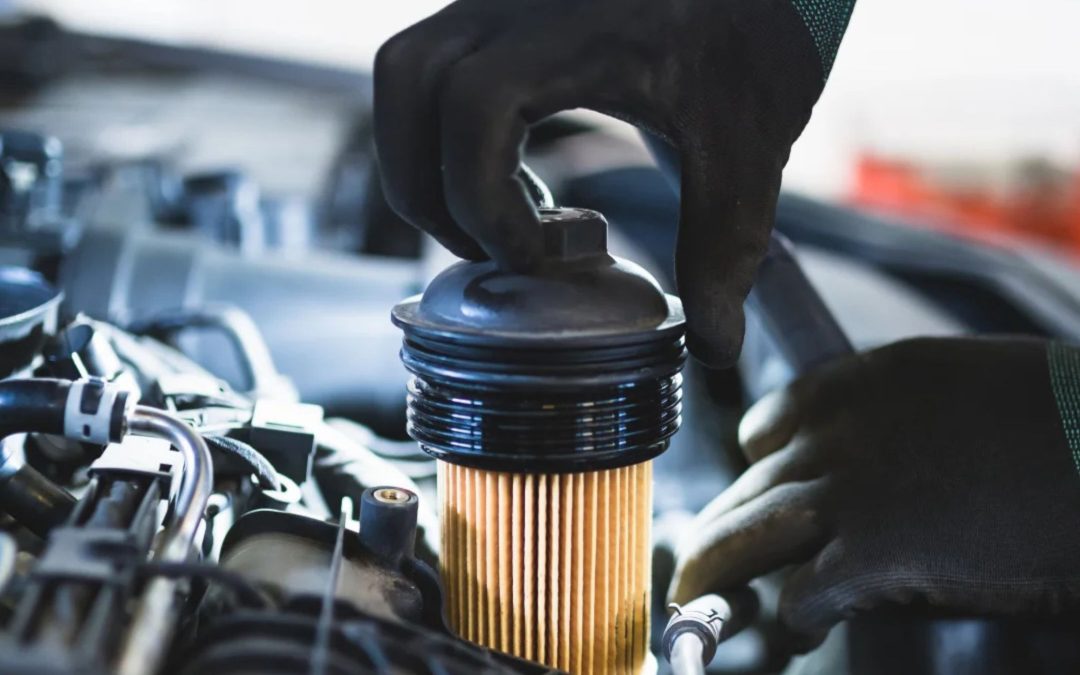
The oil filter removes contaminants from engine oil before it circulates through internal components. Clean oil ensures smooth lubrication and reduces friction between moving parts.
Functions Of Oil Filters
Oil filters help:
- Remove metal particles and sludge
- Maintain proper lubrication
- Reduce engine wear
- Extend engine lifespan
Replacing the oil filter during every oil change ensures optimal engine protection.
Fuel Filter
The fuel filter removes impurities such as dirt, rust particles, and debris from fuel before it reaches the engine.
Functions Of Fuel Filters
Fuel filters support:
- Smooth engine operation
- Improved fuel combustion
- Protection of fuel injectors
- Consistent engine performance
A clogged fuel filter may cause starting problems or reduced acceleration.
Cabin Air Filter
The cabin air filter cleans the air entering the passenger compartment through the ventilation system.
Functions Of Cabin Air Filters
Cabin filters help:
- Remove dust and pollen
- Improve interior air quality
- Reduce odors inside the vehicle
- Support efficient air conditioning performance
Replacing this filter improves comfort for passengers, especially in polluted or dusty environments.
Transmission Filter
Transmission filters trap contaminants in transmission fluid before they circulate through the system.
Functions Of Transmission Filters
Transmission filters assist in:
- Maintaining smooth gear shifts
- Protecting transmission components
- Extending transmission lifespan
- Supporting fluid cleanliness
Regular inspection helps prevent expensive transmission repairs.
Signs That Filters Need Replacement
Recognizing early warning signs helps avoid performance issues and costly repairs.
Common symptoms include:
- Reduced fuel efficiency
- Engine misfiring or hesitation
- Poor acceleration
- Unusual engine noises
- Weak air conditioning airflow
- Unpleasant cabin odors
Prompt replacement restores normal vehicle operation.
Tips For Choosing Quality Vehicle Filters
Selecting the right filter improves reliability and efficiency.
Important considerations include:
- Compatibility with vehicle model
- Quality filtration material
- Manufacturer specifications
- Reliable brand reputation
- Service interval recommendations
Using high quality filters ensures consistent performance and longer service life.
Maintenance Schedule For Vehicle Filters
Following a maintenance schedule prevents unexpected failures.
Typical replacement intervals:
- Engine air filter every 12,000 to 15,000 kilometers
- Oil filter with every engine oil change
- Fuel filter every 20,000 to 40,000 kilometers
- Cabin air filter every 10,000 to 15,000 kilometers
- Transmission filter as recommended by manufacturer
Driving conditions may require earlier replacement in dusty environments.
Frequently Asked Questions
How does a dirty air filter affect engine performance
A dirty air filter restricts airflow to the engine, which reduces combustion efficiency and can lower fuel economy and acceleration performance.
Can delaying oil filter replacement damage the engine
Yes. A clogged oil filter allows contaminants to circulate through engine components, increasing wear and reducing lubrication effectiveness.
How often should cabin air filters be replaced
Cabin air filters typically need replacement every 10,000 to 15,000 kilometers depending on environmental conditions.
What happens if a fuel filter becomes blocked
A blocked fuel filter can reduce fuel flow to the engine, causing poor starting performance, engine hesitation, or reduced power output.
Are aftermarket filters reliable for vehicles
High quality aftermarket filters can perform effectively when they meet manufacturer specifications and compatibility requirements.
Can replacing filters improve fuel efficiency immediately
Yes. Replacing clogged filters restores airflow and fuel delivery efficiency, which can improve engine performance and mileage.
Is it necessary to replace all filters at the same time
No. Each filter has a different service interval, so replacements should follow recommended maintenance schedules.