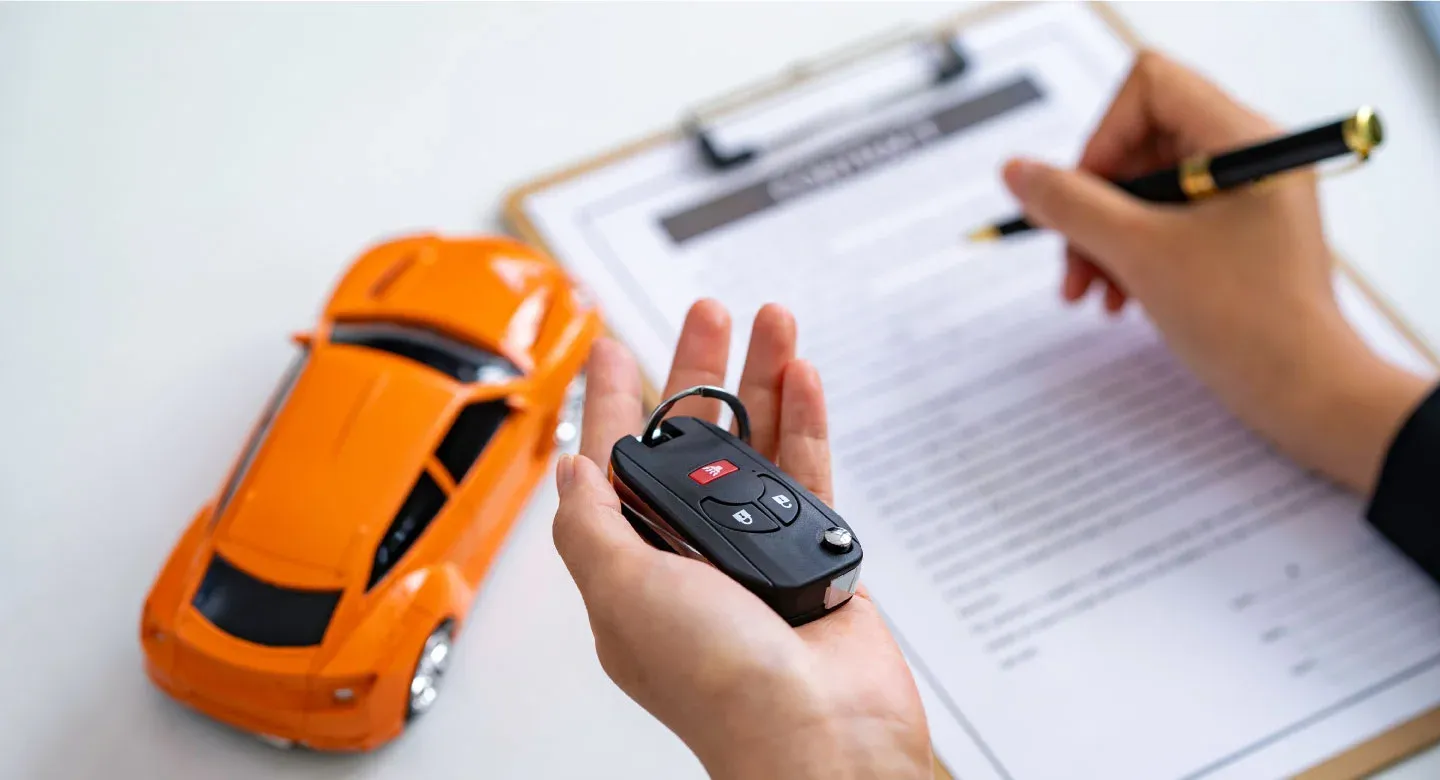
Vehicle insurance plays a critical role in protecting drivers, vehicle owners, passengers, and third parties from unexpected financial losses caused by accidents, theft, or natural disasters. It is not only a legal requirement in many countries but also a practical safeguard against costly repairs and liabilities.
Understanding the value of vehicle insurance helps individuals make informed decisions and ensures safer participation in modern transportation systems.
What Is Vehicle Insurance
Vehicle insurance is a contractual agreement between a vehicle owner and an insurance provider. Under this agreement, the insurer offers financial protection against losses related to vehicle damage, accidents, or third-party liabilities in exchange for a premium payment.
Insurance policies typically cover:
- Damage to the insured vehicle
- Third-party injury or property damage
- Theft or vandalism
- Natural disaster-related losses
- Personal accident coverage for drivers
This protection reduces the financial burden that may arise from unexpected incidents on the road.
Legal Importance of Vehicle Insurance
In many regions, third-party vehicle insurance is mandatory before operating a vehicle on public roads. This requirement ensures that accident victims receive compensation even if the responsible driver cannot personally afford the costs.
Legal compliance benefits drivers by:
- Preventing penalties and fines
- Avoiding license suspension risks
- Ensuring lawful vehicle usage
- Providing compensation coverage for third-party damages
Driving without insurance can lead to serious legal consequences and financial liabilities.
Financial Protection Against Unexpected Expenses
Road accidents can result in expensive repairs and medical costs. Without insurance coverage, vehicle owners must bear these expenses themselves.
Vehicle insurance protects against:
- Repair costs after accidents
- Replacement expenses after theft
- Liability payments to third parties
- Hospital expenses from accident injuries
This financial security provides peace of mind and stability during emergencies.
Protection Against Third Party Liability
Third-party liability coverage is one of the most important features of vehicle insurance. It ensures that compensation is provided if the insured vehicle causes injury to another person or damage to someone else’s property.
Benefits include:
- Coverage for injury compensation claims
- Legal expense support
- Property damage reimbursement
- Protection against lawsuits
This coverage protects drivers from severe financial hardship following accidents.
Coverage Against Natural Disasters and Theft
Vehicles are exposed to environmental risks such as floods, storms, earthquakes, and fires. Theft and vandalism are also common concerns in urban areas.
Comprehensive insurance policies help owners recover losses caused by:
- Flood damage
- Fire incidents
- Earthquake impact
- Cyclone destruction
- Vehicle theft
Such protection ensures long-term security for vehicle investments.
Support During Emergency Situations
Insurance companies often provide emergency assistance services that improve driver safety and convenience.
Typical services include:
- Roadside assistance support
- Towing services
- Emergency fuel delivery
- Battery replacement help
- Minor repair assistance
These services are especially helpful during long-distance travel.
Encourages Responsible Driving Behavior
Insurance systems promote safer driving habits through incentives such as claim-free bonuses and premium discounts for responsible drivers.
Advantages include:
- Reduced renewal premiums
- Reward programs for safe driving
- Encouragement of traffic rule compliance
- Lower accident risk awareness
Responsible driving benefits both individuals and society.
Enhances Long Term Vehicle Ownership Confidence
Vehicle ownership involves maintenance costs and unpredictable risks. Insurance coverage ensures that owners can manage these risks without financial stress.
Insurance provides confidence by:
- Protecting vehicle value
- Supporting repair affordability
- Offering flexible policy options
- Reducing long-term ownership risk
This makes vehicle ownership more secure and sustainable.
Factors to Consider Before Choosing Vehicle Insurance
Selecting the right policy improves protection quality and cost efficiency.
Important factors include:
- Type of coverage required
- Premium affordability
- Claim settlement ratio
- Network garage availability
- Add-on coverage options
- Customer service reliability
Comparing policies carefully helps drivers select suitable protection.
Frequently Asked Questions About Vehicle Insurance
What is the difference between third party and comprehensive vehicle insurance
Third-party insurance covers damages caused to other people or their property, while comprehensive insurance also protects the insured vehicle against accidents, theft, and natural disasters.
How is vehicle insurance premium calculated
Premiums are calculated based on vehicle type, engine capacity, age of vehicle, location of registration, driving history, and selected coverage options.
Can vehicle insurance be transferred to a new owner after sale
Yes, vehicle insurance can be transferred to the new owner after completing the required documentation and notifying the insurer.
What happens if vehicle insurance expires
Driving with expired insurance can lead to legal penalties and leaves the owner financially responsible for all accident-related expenses.
Does vehicle insurance cover mechanical breakdown
Standard insurance policies usually do not cover mechanical failures unless special add-on coverage is included.
Is roadside assistance included in all vehicle insurance policies
Roadside assistance is generally available as an optional add-on feature rather than a standard inclusion in basic policies.
How can policyholders reduce their vehicle insurance premium
Premiums can be reduced by maintaining a claim-free record, choosing higher deductibles, installing safety devices, and selecting only necessary add-on covers.