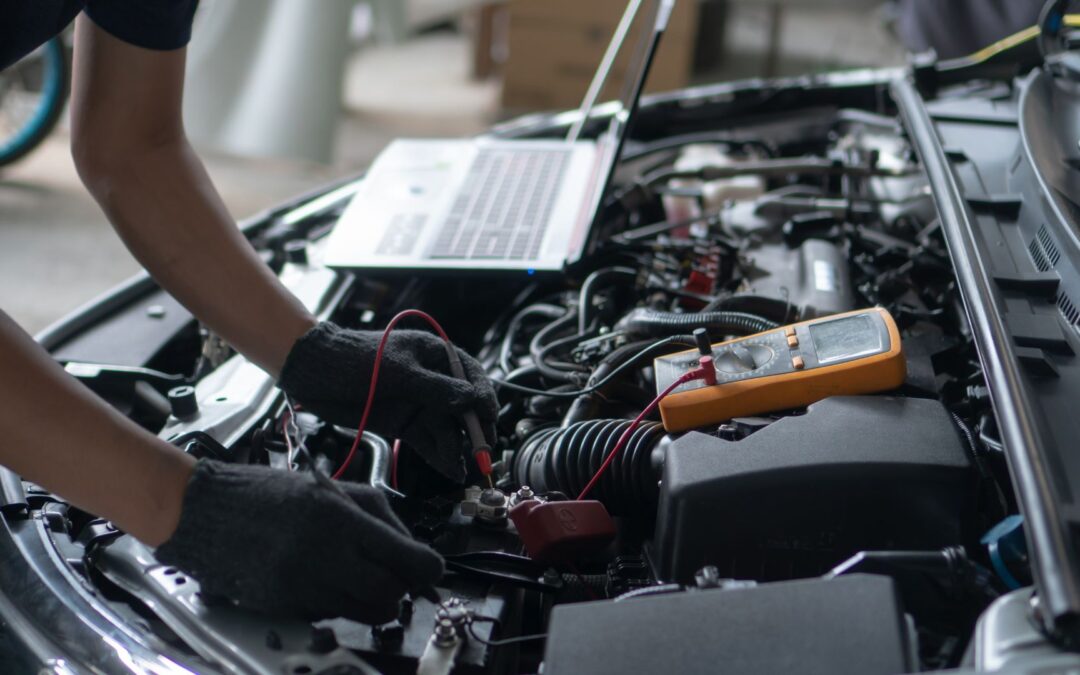
Diagnosing car problems quickly can save time, reduce repair costs, and prevent minor issues from becoming serious mechanical failures. While modern vehicles are complex, many early warning signs are easy to recognize if you know what to check first. A structured approach helps drivers identify whether the issue requires immediate professional attention or simple corrective action.
Start with Dashboard Warning Lights
Dashboard warning indicators are the fastest way to identify developing vehicle issues. Ignoring them often leads to expensive repairs later.
Common warning lights include
- Check engine light indicating engine or sensor problems
- Battery warning light suggesting charging system issues
- Oil pressure light signaling low lubrication levels
- Brake warning light pointing to braking system concerns
- Temperature warning light showing possible overheating
If a warning light appears suddenly while driving, reduce speed and check the vehicle as soon as possible.
Listen Carefully for Unusual Sounds
Strange noises often reveal the exact location of a problem before it becomes serious.
Typical sounds and what they may indicate
- Grinding noise may signal worn brake pads
- Knocking sound can suggest engine trouble
- Squealing noise often relates to belts or brakes
- Clicking sound during turns may indicate axle joint wear
- Humming noise could point to wheel bearing issues
Recognizing sound patterns helps narrow down the problem quickly.
Observe Changes in Vehicle Performance
Performance changes are reliable indicators of mechanical or electrical faults.
Watch for
- Slow acceleration
- Rough engine idle
- Reduced fuel efficiency
- Difficulty starting the vehicle
- Sudden power loss while driving
These symptoms usually suggest engine, fuel system, or transmission concerns.
Check for Fluid Leaks Under the Vehicle
Fluid leaks provide immediate clues about component failures.
Common leak types include
- Dark brown or black fluid indicating engine oil leakage
- Green or orange fluid suggesting coolant leakage
- Red fluid pointing to transmission problems
- Clear fluid usually harmless air conditioning condensation
Always inspect the ground where your car is parked regularly.
Inspect the Tires and Steering Response
Tires often reveal alignment and suspension issues before other symptoms appear.
Look for
- Uneven tire wear patterns
- Steering wheel vibration
- Vehicle pulling to one side
- Reduced steering control
These signs typically indicate suspension misalignment or tire pressure imbalance.
Use an OBD Scanner for Quick Diagnosis
Modern vehicles store fault codes inside onboard diagnostic systems. A portable OBD scanner can quickly identify electronic issues.
Benefits of using a scanner
- Reads engine fault codes instantly
- Identifies sensor malfunctions
- Helps avoid unnecessary part replacement
- Saves diagnostic time at repair shops
Many affordable scanners connect directly to smartphones for easy interpretation.
Check Under the Hood Visually
A quick inspection under the hood often reveals obvious problems.
Look for
- Loose battery connections
- Cracked belts or hoses
- Low fluid levels
- Burnt smells
- Corrosion around terminals
Regular visual checks help detect issues early.
Notice Unusual Smells While Driving
Different smells can signal specific mechanical problems.
Examples include
- Burning rubber smell indicating belt problems
- Sweet smell suggesting coolant leakage
- Burning oil smell pointing to engine leakage
- Rotten egg smell indicating catalytic converter issues
Stopping early after detecting unusual odors can prevent serious damage.
Monitor Vehicle Temperature Behavior
Temperature fluctuations often indicate cooling system failure.
Watch for
- Rising temperature gauge readings
- Steam from the hood
- Frequent coolant refilling needs
Immediate action prevents engine overheating damage.
Perform a Quick Road Test Safely
A short controlled drive helps confirm symptoms before seeking repairs.
Pay attention to
- Brake response
- Steering behavior
- Gear shifting smoothness
- Engine vibration
- Acceleration consistency
Testing under safe conditions provides useful diagnostic clues.
When to Seek Professional Diagnosis Immediately
Some symptoms require expert inspection without delay.
Examples include
- Persistent warning lights
- Smoke from the engine bay
- Brake failure signs
- Sudden engine shutdown
- Severe vibration while driving
Prompt professional attention prevents major repair expenses.
FAQ Section
How can I tell if my car problem is serious
If warning lights stay on, the engine overheats, brakes feel weak, or unusual noises increase rapidly, the issue likely requires immediate professional inspection.
Can I diagnose car problems without tools
Yes, many issues can be identified through warning lights, sounds, smells, and visible leaks before using diagnostic equipment.
Is it safe to drive with the check engine light on
It depends on whether the light is steady or flashing. A flashing light usually indicates a serious issue requiring immediate attention.
How often should I inspect my car for problems
A basic inspection once every week helps detect early signs before they become expensive repairs.
What is the easiest way to detect engine trouble quickly
Monitoring dashboard alerts, listening for knocking sounds, and checking performance changes are the fastest methods.
Do fluid leaks always mean serious problems
Not always. Some leaks are minor, but transmission fluid, coolant, and engine oil leaks should be inspected quickly.
Can mobile diagnostic scanners replace professional inspection
They help identify fault codes quickly but cannot fully replace a detailed inspection by a trained technician.