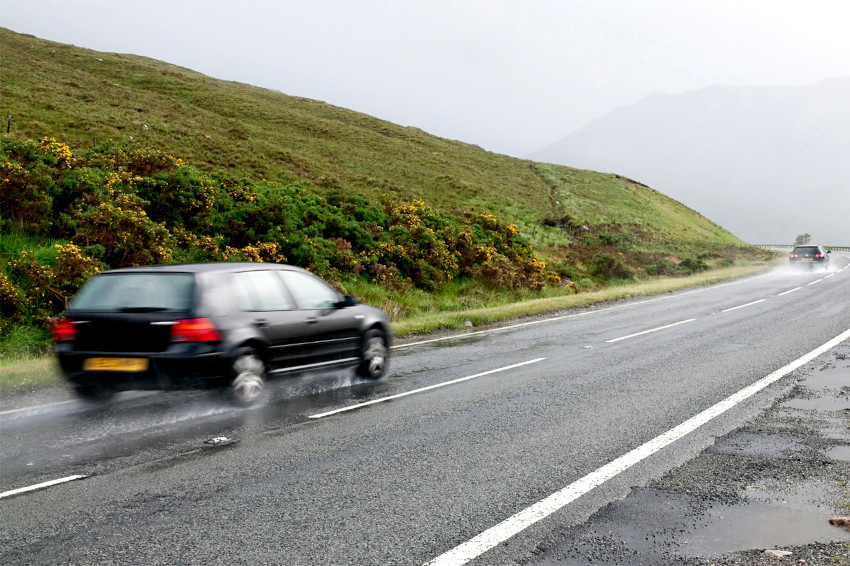
Driving in rainy conditions requires extra attention because wet roads reduce tire grip, limit visibility, and increase stopping distance. Even experienced drivers must adjust their driving habits during rainfall to maintain control and avoid accidents. Learning safe rainy weather driving techniques helps protect both drivers and passengers.
This guide explains practical strategies that improve vehicle stability, visibility, and reaction time while driving in wet conditions.
Reduce Speed on Wet Roads
Rainwater reduces friction between tires and the road surface, which increases the risk of losing control.
Lower speeds help
- Maintain better tire traction
- Reduce stopping distance risks
- Improve steering stability
- Prevent sudden skidding
Driving at a controlled speed is one of the most effective safety practices during rainfall.
Maintain a Safe Following Distance
Vehicles require more time to stop on wet roads compared to dry surfaces.
Maintaining extra distance helps
- Prevent rear end collisions
- Improve braking response time
- Increase visibility of traffic movement ahead
- Reduce panic braking situations
Keeping additional space between vehicles improves safety during sudden traffic changes.
Turn On Headlights for Better Visibility
Headlights improve both your visibility and your vehicle’s visibility to others during rain.
Using headlights helps
- Increase road clarity in low light conditions
- Make your vehicle noticeable to other drivers
- Improve awareness at intersections
- Reduce risks during heavy rainfall
Always switch on headlights when rain reduces visibility.
Avoid Sudden Braking or Sharp Steering
Abrupt movements can cause tires to lose grip on wet surfaces.
Smooth driving actions help
- Maintain vehicle balance
- Reduce skidding risks
- Improve steering control
- Prevent hydroplaning situations
Gentle braking and gradual steering improve control significantly.
Check Tire Condition Before Driving
Tires play a critical role in maintaining traction during rainy weather.
Important checks include
- Ensuring proper tire pressure
- Inspecting tread depth regularly
- Replacing worn tires promptly
- Avoiding uneven tire wear conditions
Healthy tires improve grip on wet roads.
Use Windshield Wipers Effectively
Clear visibility is essential during rainfall.
Proper wiper usage helps
- Remove water from the windshield quickly
- Improve road visibility
- Reduce eye strain while driving
- Maintain focus in heavy rain conditions
Replace worn wiper blades regularly for best performance.
Avoid Water Logged Roads When Possible
Driving through deep water can damage engine components and reduce braking efficiency.
Avoiding flooded areas helps
- Prevent engine stalling
- Protect electrical components
- Maintain tire traction
- Reduce braking risks
Choose alternative routes whenever possible.
Stay Alert for Hydroplaning Risks
Hydroplaning occurs when tires lose contact with the road due to water buildup.
Warning signs include
- Sudden steering lightness
- Reduced braking response
- Vehicle drifting slightly
If hydroplaning occurs
- Release the accelerator gradually
- Keep steering steady
- Avoid sudden braking
- Allow tires to regain road contact naturally
Remaining calm helps restore control safely.
Keep Windows Clear to Prevent Fogging
Interior fogging reduces visibility during rainy weather.
Prevent fogging by
- Using the vehicle defogger
- Maintaining airflow inside the cabin
- Keeping windows clean
- Adjusting ventilation settings properly
Clear windows support safer driving decisions.
Avoid Overtaking Unless Necessary
Rain reduces visibility and increases braking distance, making overtaking more risky.
Limiting overtaking helps
- Maintain lane stability
- Reduce collision risks
- Improve reaction time
- Support predictable traffic movement
Stay patient and drive steadily during rainfall.
Inspect Brakes Before Driving in Rain
Properly functioning brakes are essential in wet conditions.
Brake inspection helps
- Ensure reliable stopping performance
- Detect worn brake pads early
- Prevent delayed braking response
- Improve confidence while driving
Regular brake checks increase safety during rainy travel.
Plan Your Route Before Starting the Journey
Planning helps avoid heavy traffic and waterlogged areas during rain.
Route preparation helps
- Reduce unexpected delays
- Avoid risky road sections
- Improve travel confidence
- Maintain smoother driving conditions
Prepared drivers handle rainy conditions more effectively.
FAQ Section
Why is driving more dangerous during rainfall
Rain reduces tire traction and limits visibility, increasing the chances of skidding and delayed braking response.
How much should speed be reduced during rainy conditions
Drivers should reduce speed enough to maintain full vehicle control and adjust according to road visibility and traffic flow.
Is it safe to use cruise control in rainy weather
Cruise control should be avoided during rain because it reduces immediate driver response during sudden traction loss.
How can drivers prevent windshield fogging quickly
Using the vehicle defogger and maintaining proper airflow inside the cabin helps clear fog effectively.
What should drivers do if visibility becomes extremely low during heavy rain
Drivers should slow down, switch on headlights, maintain safe distance, and pull over safely if visibility becomes too poor.
Do wider tires improve grip during rainy conditions
Wider tires may improve stability but proper tread depth is more important for maintaining traction on wet roads.
When should drivers stop driving during rainfall
Drivers should stop when water levels rise significantly, visibility becomes unsafe, or road conditions create a risk of losing vehicle control.