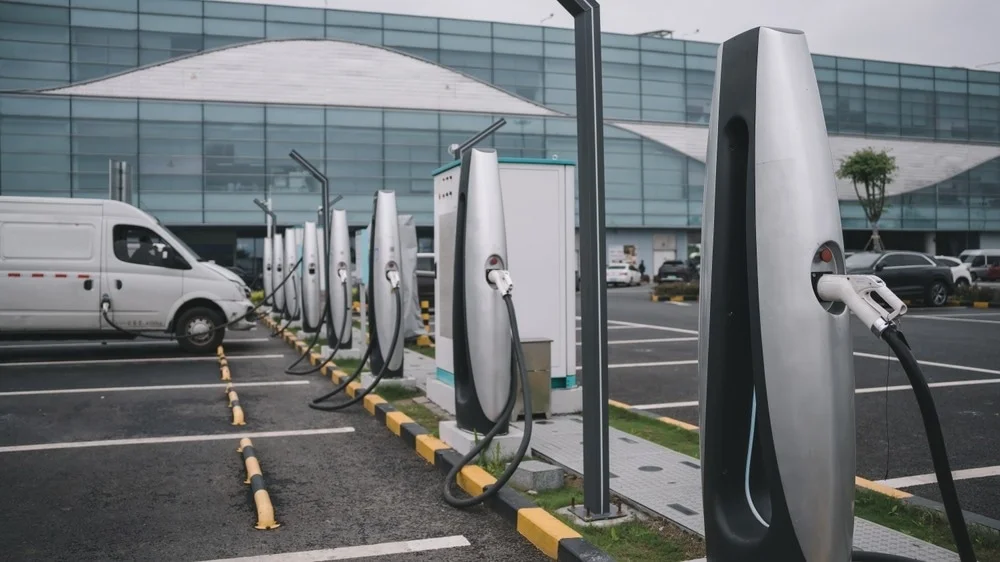
The expansion of electric charging infrastructure has become a critical factor in supporting the global transition toward electric mobility. As electric vehicles gain popularity among consumers, governments and private organizations are investing heavily in charging networks to ensure convenient, reliable, and accessible energy supply for drivers.
A well-developed charging ecosystem reduces range anxiety, supports environmental goals, and strengthens the future of sustainable transportation.
What Is Electric Vehicle Charging Infrastructure
Electric vehicle charging infrastructure refers to the network of charging stations and supporting systems that provide electricity to recharge vehicle batteries. These facilities are installed in residential areas, commercial locations, highways, workplaces, and public parking zones.
Charging infrastructure typically includes:
- Home charging units
- Public charging stations
- Fast charging corridors along highways
- Workplace charging systems
- Renewable energy powered charging hubs
Together, these components create a reliable charging environment for electric vehicle users.
Importance of Expanding Charging Infrastructure
The availability of charging stations plays a major role in accelerating electric vehicle adoption. Without sufficient infrastructure, potential buyers often hesitate to switch from traditional fuel-powered vehicles.
Key benefits of infrastructure growth include:
- Increased consumer confidence in electric mobility
- Reduced dependency on fossil fuels
- Improved urban air quality
- Support for long-distance electric travel
- Strengthening of national energy efficiency goals
Expansion ensures that electric vehicles become practical for everyday use.
Types of Electric Vehicle Charging Stations
Electric vehicle charging stations differ based on charging speed, installation location, and power capacity.
Home Charging Stations
Home charging systems are the most convenient option for daily vehicle charging. They allow users to recharge overnight and begin each day with a fully charged battery.
Advantages include:
- Cost-effective charging
- Convenience for regular users
- Easy installation in residential garages
- Reduced dependency on public charging networks
Public Charging Stations
Public charging stations are installed in locations such as shopping centers, parking complexes, fuel stations, and city streets. These stations support drivers who do not have access to private charging facilities.
Public infrastructure improves:
- Accessibility for urban residents
- Charging availability during travel
- Confidence in electric vehicle ownership
Fast Charging Stations
Fast charging stations provide high-power electricity that significantly reduces charging time compared to standard chargers. These stations are commonly located along highways and major travel routes.
Benefits include:
- Faster battery recharge during long trips
- Support for commercial electric fleets
- Reduced waiting time for users
- Expansion of intercity electric travel possibilities
Role of Government Policies in Infrastructure Development
Government support plays a major role in accelerating charging infrastructure expansion. Many countries are introducing incentives and strategic plans to promote electric mobility adoption.
Policy initiatives often include:
- Subsidies for charging station installation
- Tax incentives for electric vehicle owners
- Public-private partnership programs
- Urban smart mobility planning
- Renewable energy integration with charging systems
These measures encourage investment and improve infrastructure accessibility.
Contribution of Private Sector Investments
Private companies are actively supporting infrastructure growth by installing charging stations across cities, highways, and commercial zones. Energy providers, automobile manufacturers, and technology firms are collaborating to build reliable charging networks.
Private sector contributions include:
- Development of smart charging technologies
- Expansion of charging station networks
- Integration of mobile applications for station access
- Innovation in fast charging solutions
Such investments accelerate infrastructure availability and reliability.
Challenges Facing Charging Infrastructure Expansion
Despite rapid growth, several challenges continue to influence infrastructure development.
Common challenges include:
- High installation costs
- Limited availability in rural areas
- Grid capacity constraints
- Standardization differences between charging systems
- Space limitations in dense urban locations
Addressing these challenges is essential for long-term infrastructure success.
Role of Renewable Energy in Charging Infrastructure
Renewable energy sources such as solar and wind power are increasingly being integrated into electric charging networks. This approach reduces environmental impact and improves sustainability.
Benefits of renewable integration include:
- Lower carbon emissions
- Reduced electricity costs over time
- Improved energy independence
- Support for green transportation goals
Renewable-powered charging stations represent an important step toward cleaner mobility systems.
Future Trends in Electric Charging Infrastructure
Electric charging infrastructure continues to evolve with technological advancements and increasing vehicle adoption.
Emerging trends include:
- Ultra-fast charging technology development
- Wireless charging solutions
- Smart grid integration with charging systems
- Expansion of highway charging corridors
- Growth of battery swapping technologies
These innovations will make electric vehicle usage more efficient and convenient.
Frequently Asked Questions About Electric Charging Infrastructure
Why is charging infrastructure important for electric vehicles
Charging infrastructure ensures that electric vehicle users can recharge conveniently, making electric mobility practical for daily commuting and long-distance travel.
How long does it take to charge an electric vehicle
Charging time depends on battery size and charger type. Home chargers may take several hours, while fast chargers can significantly reduce charging duration.
Are public charging stations safe to use
Public charging stations are designed with safety standards and monitoring systems that protect both vehicles and users during charging.
Can electric vehicles be charged at home
Yes, most electric vehicles can be charged at home using standard or dedicated charging equipment installed in residential spaces.
What is the difference between slow charging and fast charging
Slow charging uses lower power levels and takes longer, while fast charging uses higher power output to recharge batteries quickly.
Are charging stations available in rural areas
Charging infrastructure is expanding steadily, but availability may still be limited in some rural locations compared to urban regions.
Will charging infrastructure continue to grow in the future
Yes, increasing electric vehicle adoption and government support are expected to drive continued expansion of charging networks worldwide.