

What Influences Auto Service Pricing
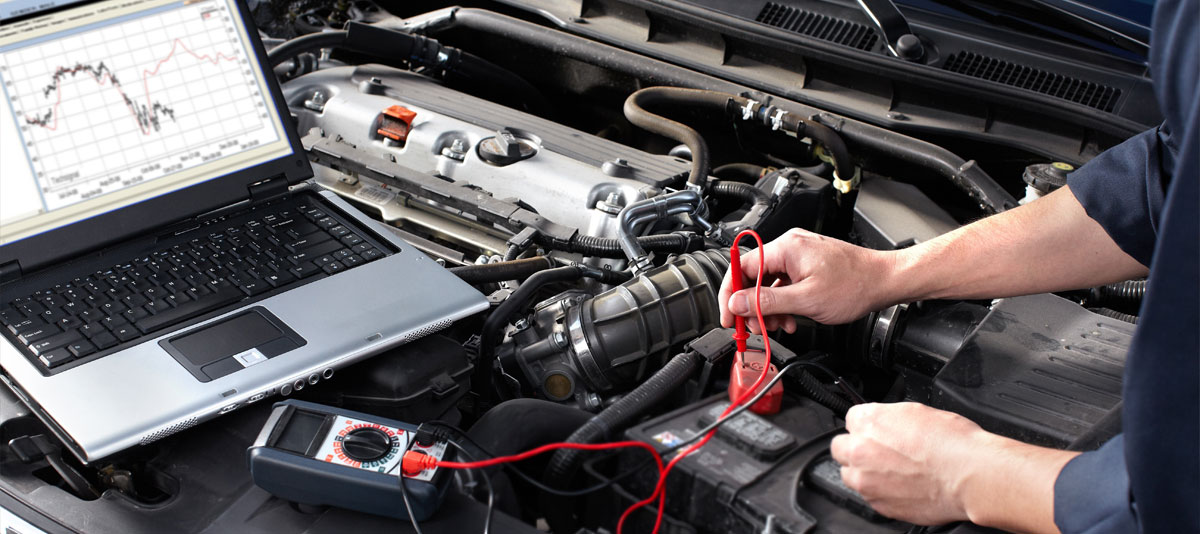
Auto service pricing often feels unpredictable. Two similar repairs can come with very different price tags depending on where, how, and by whom the work is done. Understanding the factors behind these costs helps vehicle owners make informed decisions and avoid surprises when the bill arrives.
Type of Service Required
The most obvious influence on price is what kind of service your car needs. Routine maintenance generally costs far less than diagnostic or repair work.
Typical pricing differences include:
- Basic services: Oil changes, tire rotations, and inspections
- Moderate repairs: Brake replacements, battery changes, suspension work
- Major repairs: Engine, transmission, or electrical system repairs
The more complex and time-consuming the service, the higher the cost.
Vehicle Make, Model, and Year
Not all vehicles are built the same, and service pricing reflects that. Luxury brands, performance vehicles, and imported models often cost more to maintain.
Pricing is influenced by:
- Availability of parts
- Complexity of vehicle systems
- Manufacturer-specific tools and procedures
Newer vehicles may also require specialized diagnostics, increasing labor costs.
Labor Rates and Technician Expertise
Labor is a significant portion of any auto service bill. Rates vary widely depending on location, shop type, and technician qualifications.
Factors affecting labor pricing include:
- Regional cost of living
- Certification and experience level of technicians
- Dealership versus independent repair shops
Highly trained specialists often charge more, but they may complete work more accurately and efficiently.
Parts Quality and Availability
The type of parts used plays a major role in overall service pricing. Customers are often given options, each with different cost implications.
Common part categories include:
- Original equipment (OEM) parts: Higher cost, exact manufacturer specifications
- Aftermarket parts: More affordable, varying quality levels
- Remanufactured parts: Lower cost, rebuilt to functional standards
Supply shortages or discontinued parts can also drive prices up unexpectedly.
Diagnostic Time and Technology
Modern vehicles rely heavily on electronics and computer systems. Identifying the root cause of a problem often requires advanced diagnostic equipment.
Diagnostic pricing may increase due to:
- Time spent testing multiple systems
- Software updates or recalibrations
- Intermittent or hard-to-replicate issues
Accurate diagnostics save money long-term but add upfront cost.
Location and Shop Overhead
Where the service is performed matters. Shops in urban areas or high-rent locations typically charge more to cover operating expenses.
Overhead costs include:
- Facility rent and utilities
- Insurance and licensing
- Equipment maintenance and upgrades
These costs are built into service pricing, even for simple repairs.
Vehicle Condition and Maintenance History
A well-maintained car is usually cheaper to service. Neglected vehicles often reveal additional problems once work begins.
Poor maintenance history can lead to:
- Rusted or seized components
- Secondary repairs during service
- Extended labor time
Preventive maintenance helps keep service costs predictable and manageable.
Warranty and Service Guarantees
Shops that offer strong warranties or service guarantees may charge slightly more. These protections provide peace of mind and long-term value.
Higher pricing may reflect:
- Coverage for parts and labor
- Follow-up inspections or adjustments
- Accountability for workmanship quality
Paying more upfront can reduce future out-of-pocket expenses.
Final Thoughts
Auto service pricing is shaped by far more than the repair itself. Vehicle design, labor expertise, parts selection, diagnostics, and location all contribute to the final cost. Understanding these factors empowers car owners to compare estimates intelligently and prioritize quality over short-term savings.
Frequently Asked Questions
Why do dealership services usually cost more?
Dealerships use manufacturer-trained technicians and OEM parts, which increases labor and operating costs.
Can estimates change after service begins?
Yes. Hidden issues may appear once components are removed or inspected more closely.
Is the cheapest quote always the best option?
Not necessarily. Lower prices may involve lower-quality parts or limited warranties.
Do newer cars cost more to service?
Often yes, due to advanced technology, electronics, and specialized tools.
Can regular maintenance lower long-term service costs?
Yes. Preventive maintenance reduces wear and prevents expensive repairs later.
How can I verify if a repair price is fair?
Comparing multiple estimates and understanding labor hours and parts used helps assess fairness.
Does auto insurance affect service pricing?
Insurance may cover certain repairs, but it does not typically influence standard maintenance or labor rates.


