

The Future Outlook of the Auto Service Industry
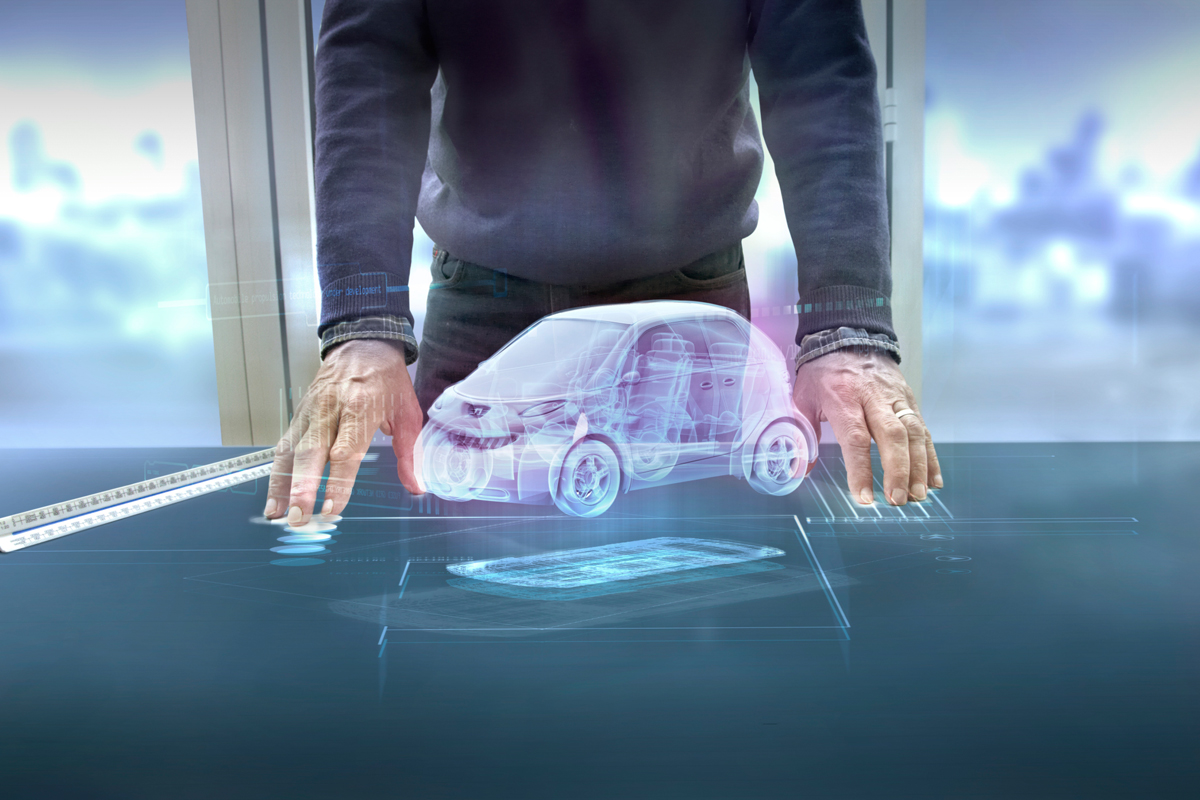
The auto service industry is entering a period of rapid transformation. Advances in vehicle technology, changing customer expectations, and evolving regulations are reshaping how vehicles are maintained and repaired. The future of auto service will be defined by innovation, adaptability, and a stronger focus on data-driven and customer-centric solutions.
How Technology Is Redefining Auto Service
Technology is the strongest force shaping the industry’s future. Vehicles are becoming smarter, more connected, and more software-dependent.
Key technological shifts include:
- Advanced onboard diagnostics
- Increased use of artificial intelligence in troubleshooting
- Cloud-based service records and diagnostics
- Software updates as part of routine maintenance
Auto service will continue moving away from mechanical-only repairs toward digital system management.
The Growing Impact of Electric Vehicles
Electric vehicles are changing the foundation of auto service. With fewer moving parts, EVs require different maintenance skills and tools.
Service changes driven by EV adoption include:
- High-voltage battery diagnostics and repair
- Specialized safety training for technicians
- Reduced demand for traditional engine-related services
- Increased focus on software and battery health
Service centers that adapt early will remain competitive as EV adoption grows.
Predictive and Preventive Maintenance Becomes Standard
The future of auto service is proactive rather than reactive. Predictive maintenance uses data to anticipate failures before they occur.
This approach offers:
- Fewer unexpected breakdowns
- Better vehicle reliability
- Lower long-term ownership costs
- Improved scheduling for service providers
Predictive service models will become increasingly common as data access expands.
The Rise of Connected and Remote Services
Connected vehicles enable remote diagnostics and service planning, changing how customers interact with repair shops.
Emerging service capabilities include:
- Remote vehicle health monitoring
- Automated maintenance alerts
- Over-the-air software updates
- Reduced in-shop diagnostic time
Convenience and efficiency will become defining factors in customer satisfaction.
Changing Customer Expectations
Modern customers expect more than technical competence. Transparency, speed, and communication are now essential.
Future-focused service centers will prioritize:
- Clear digital estimates and service reports
- Online scheduling and real-time updates
- Personalized maintenance recommendations
Customer experience will be just as important as repair quality.
Workforce Evolution and Technician Training
As vehicles grow more complex, the skills required to service them will continue to evolve.
The future workforce will need:
- Ongoing technical education
- Software and data analysis skills
- Knowledge of EV and autonomous systems
- Strong communication abilities
Training and retention will be critical challenges for the industry.
Sustainability and Environmental Responsibility
Environmental concerns will play a larger role in shaping auto service practices.
Sustainability-driven changes include:
- Responsible disposal and recycling of components
- Increased focus on emissions and efficiency systems
- Longer vehicle life through preventive care
Eco-conscious service practices will become an industry standard rather than an option.
The Role of Regulation in Shaping the Future
Regulations will continue to influence service standards as technology advances.
Future regulatory focus areas may include:
- Software compliance and cybersecurity
- High-voltage system safety
- Data access and repair transparency
Compliance will be essential for maintaining trust and operational legitimacy.
Opportunities and Challenges Ahead
The future brings both opportunity and complexity for auto service providers.
Key opportunities include:
- New revenue streams from digital services
- Stronger customer relationships
- Improved operational efficiency
Challenges will involve:
- Keeping up with rapid technological change
- Investing in tools and training
- Managing evolving compliance requirements
Adaptability will determine long-term success.
Frequently Asked Questions (FAQs)
1. Will traditional auto repair shops still be relevant in the future?
Yes, but they will need to adapt by embracing new technologies and expanding technician training.
2. How will electric vehicles affect service costs?
Some costs may decrease due to fewer mechanical repairs, while others may increase due to specialized equipment and training.
3. What role will software play in future auto service?
Software will be central, controlling diagnostics, performance updates, and predictive maintenance systems.
4. Will predictive maintenance replace routine servicing?
It will enhance routine servicing by making maintenance more precise and less dependent on fixed schedules.
5. How will customer experience change in auto service?
Customers will expect faster communication, digital transparency, and personalized service recommendations.
6. Are autonomous vehicles changing auto service needs?
Yes. They introduce new service requirements related to sensors, software, and system calibration.
7. What skills will future auto technicians need most?
Technical adaptability, software knowledge, and continuous learning will be essential skills moving forward.


-
Warning: Trying to access array offset on value of type bool in /home/thnyshoc/public_html/royalcarslondon.com/wp-content/themes/shadowcat/inc/libs/shadowcat_core.php on line 191
Warning: Trying to access array offset on value of type bool in /home/thnyshoc/public_html/royalcarslondon.com/wp-content/themes/shadowcat/inc/libs/shadowcat_core.php on line 192
Warning: Trying to access array offset on value of type bool in /home/thnyshoc/public_html/royalcarslondon.com/wp-content/themes/shadowcat/inc/libs/shadowcat_core.php on line 193

